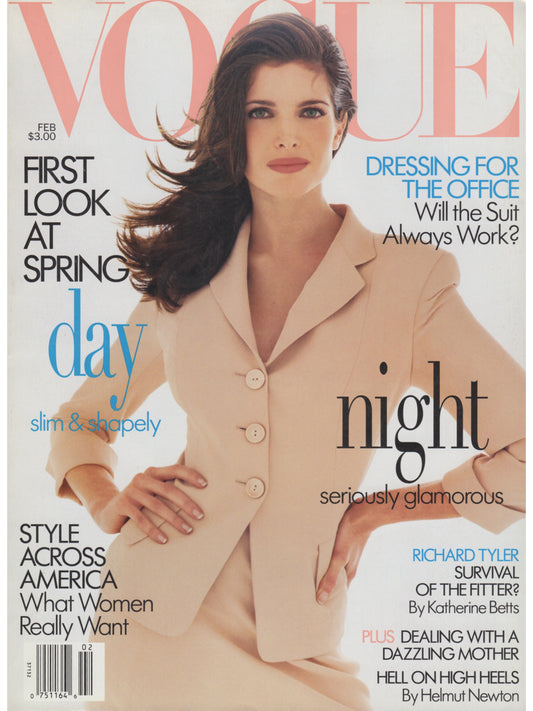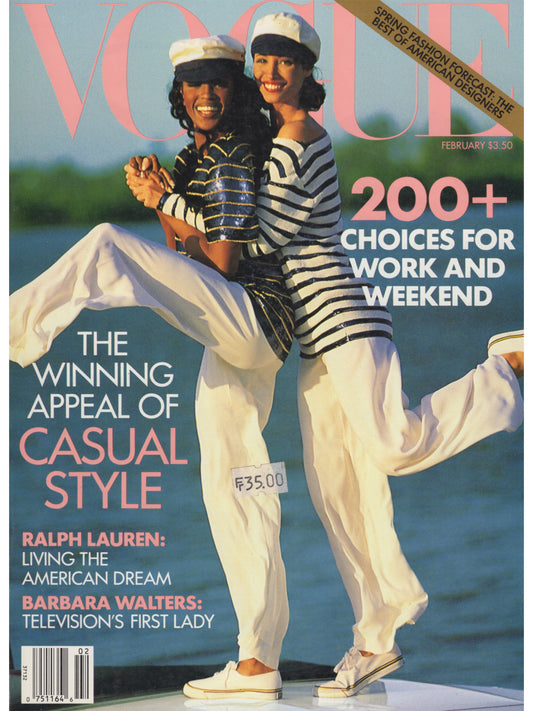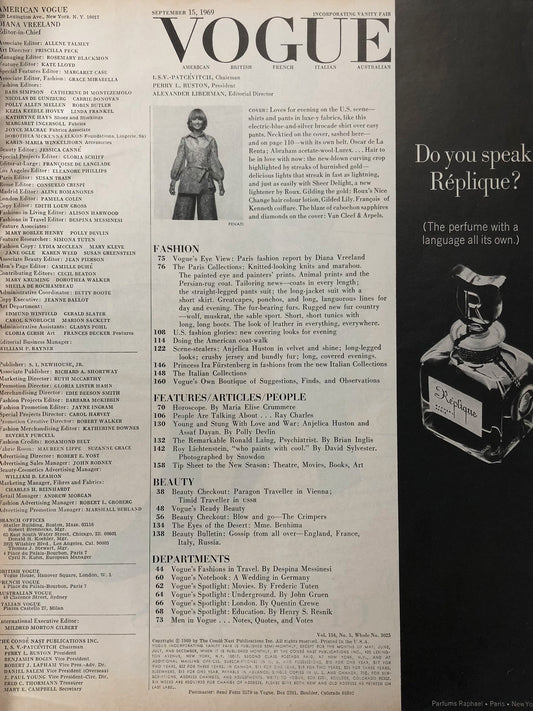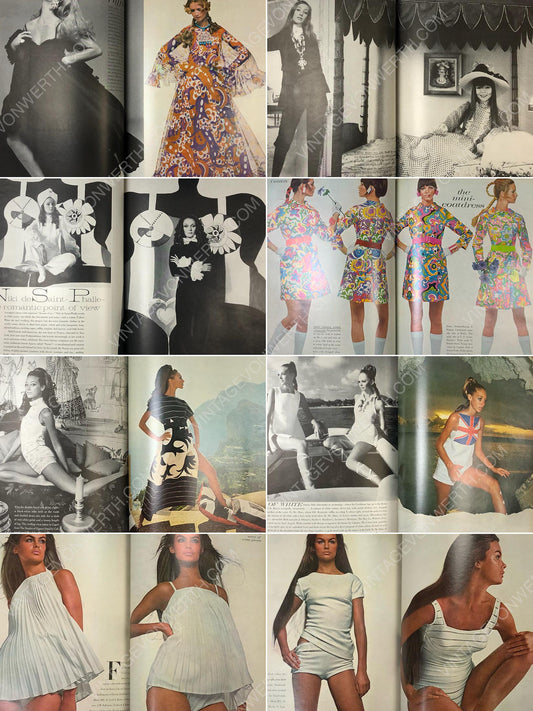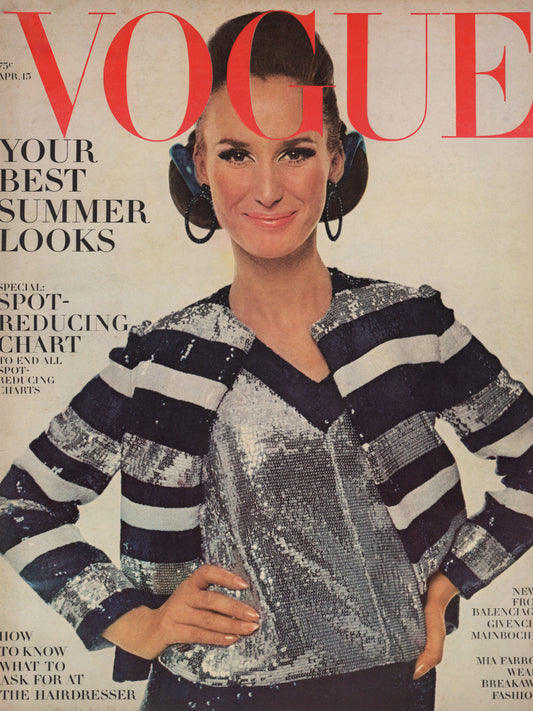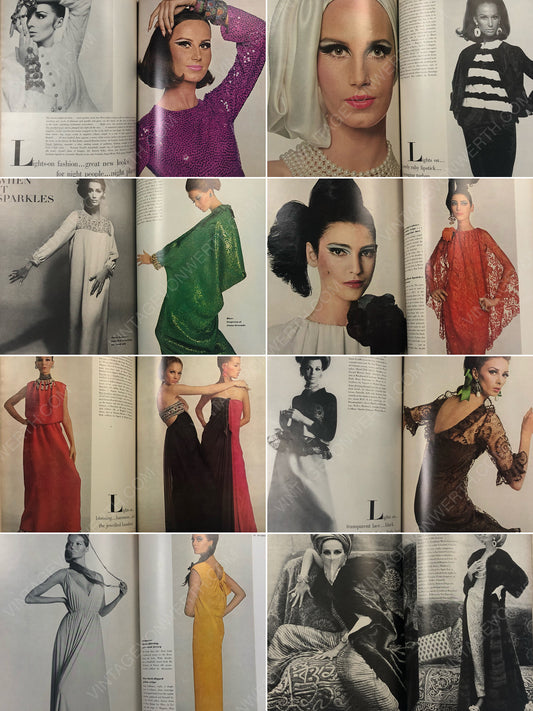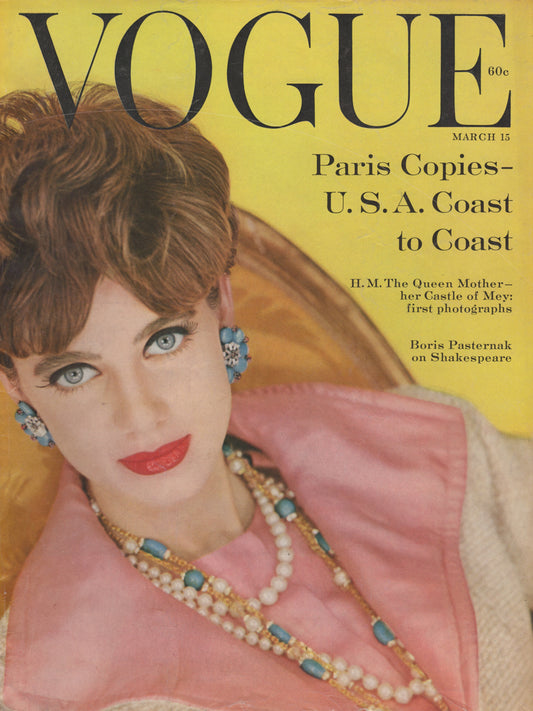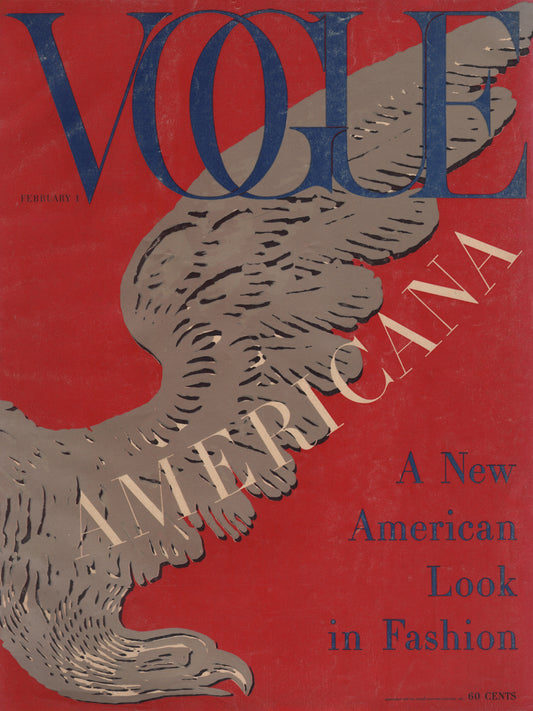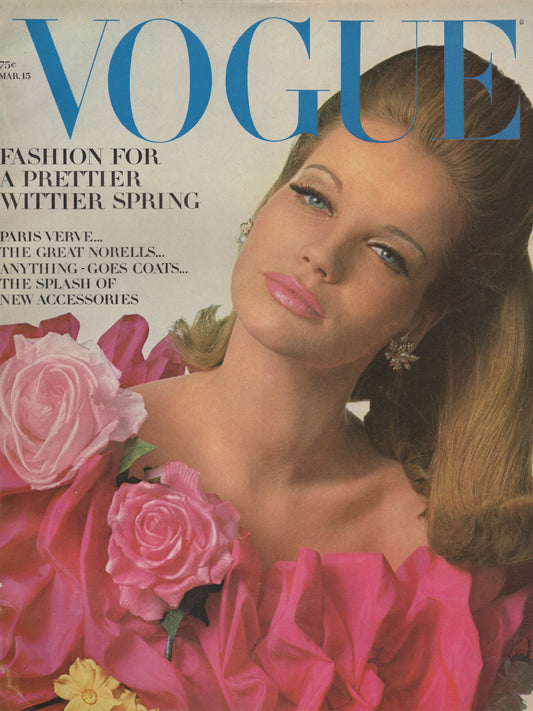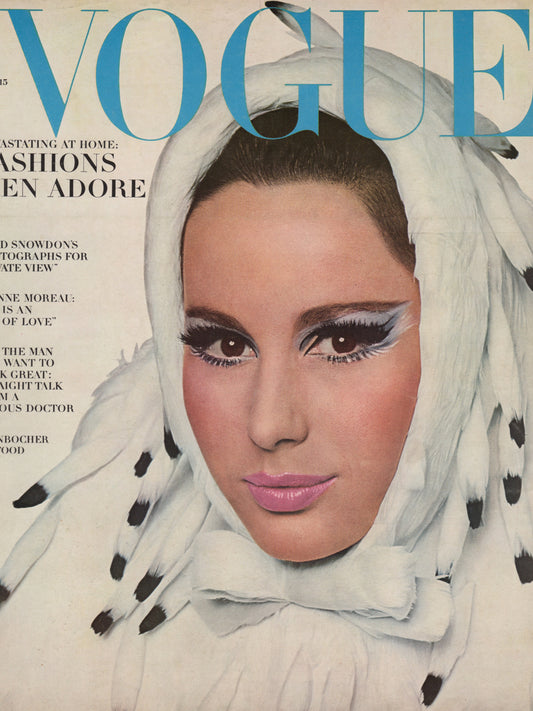

VOGUE US
-
-
-
-
-
-
-

 SOLDSOLD
 -

 SOLDSOLD
 -

 SOLDSOLD
 -
-
-
-
-
-
-

 SOLDSOLD
 -
-
-

 SOLDSOLD
 -
-
-
-
-
-
-
 SOLDSOLD
 -
-
-
-
-
-
-
-
-
SOLD
-
-
-
-
-
SOLD
-
-
-
-
-
-
-
-
-
-
-
-
-
-
-
-
-
-
-
-
-
-
-
-
-
SOLD
-
-

 SOLDSOLD
 -
SOLD
-
SOLD
-
SOLD
-
-
-
-
SOLD
-
-
SOLD
-

 SOLDSOLD
 -

 SOLDSOLD
 -
-
-
-
-
SOLD
-
-
-
SOLD
-
-
SOLD
-
-
SOLD
-
-
-
-
SOLD
-
SOLD
-
-
-
SOLD
-
 SOLDSOLD
 -
SOLD
-
SOLD
-
-
-
SOLD
-
Vendor:Vogue US
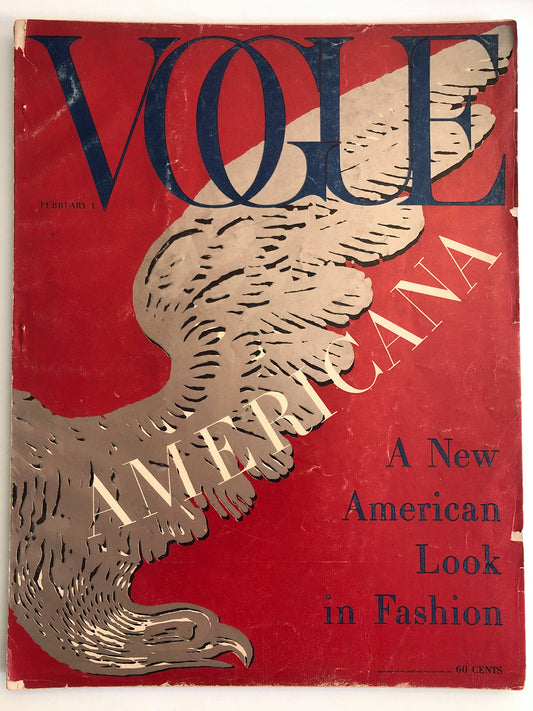
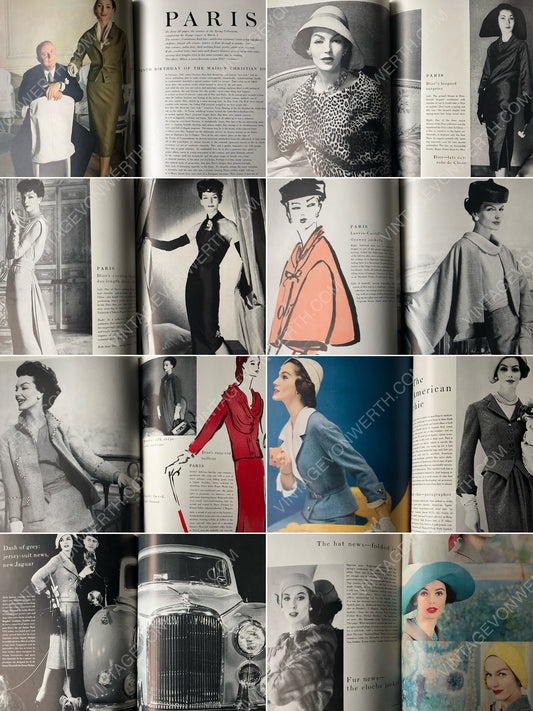
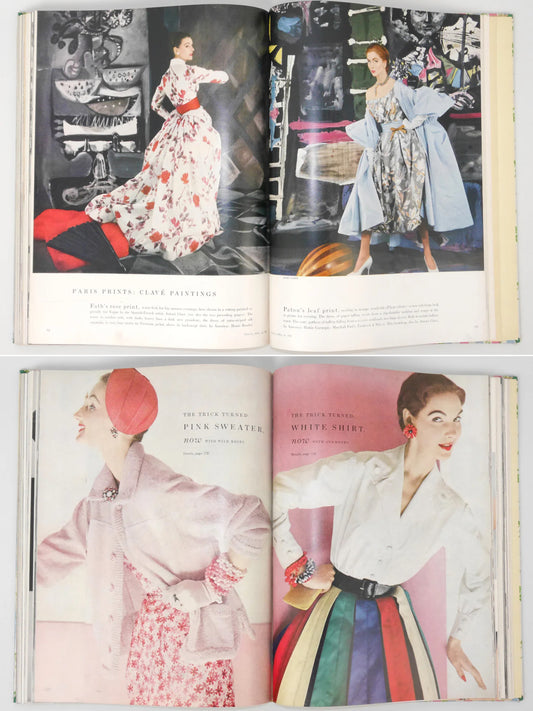
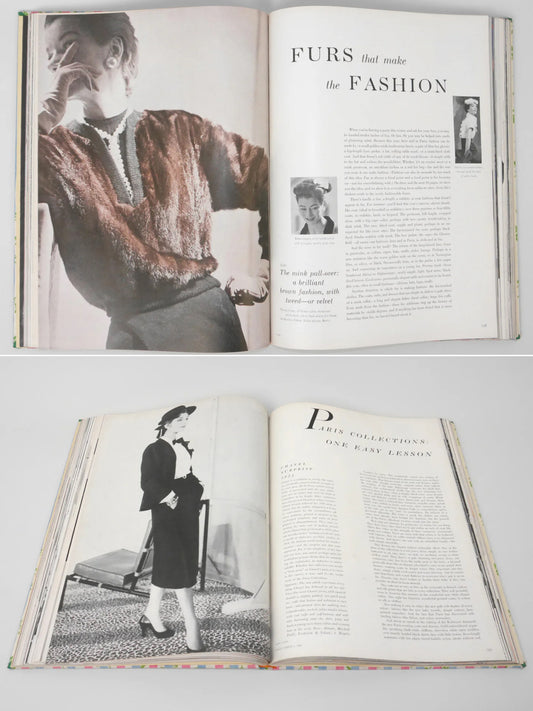
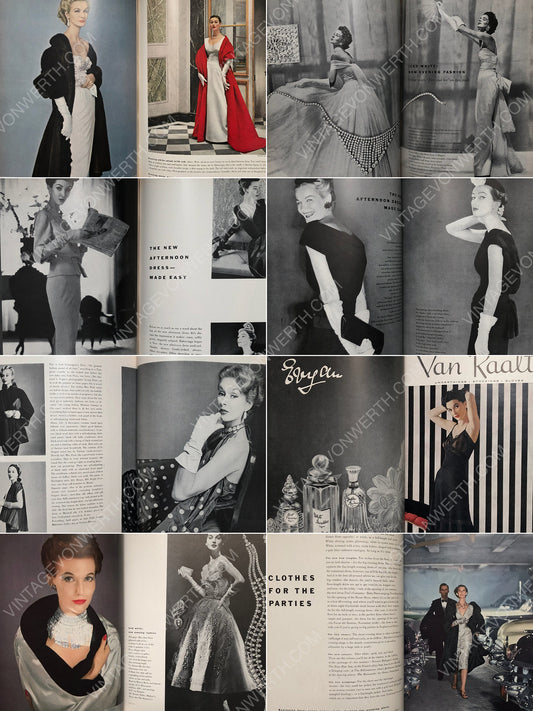
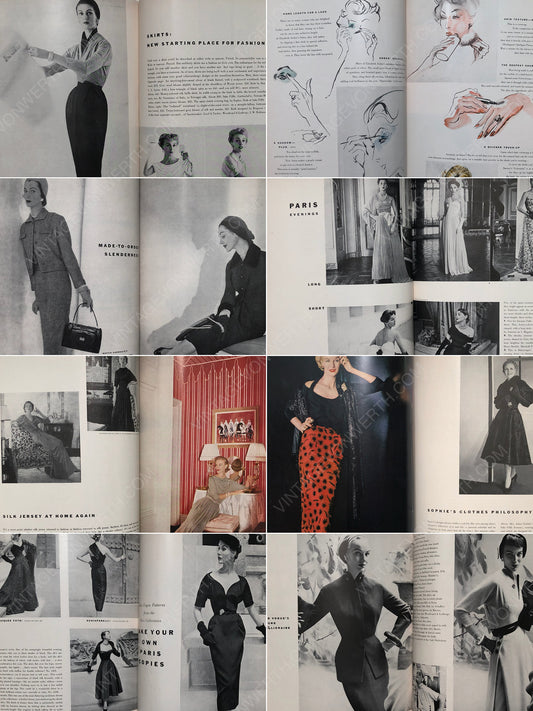
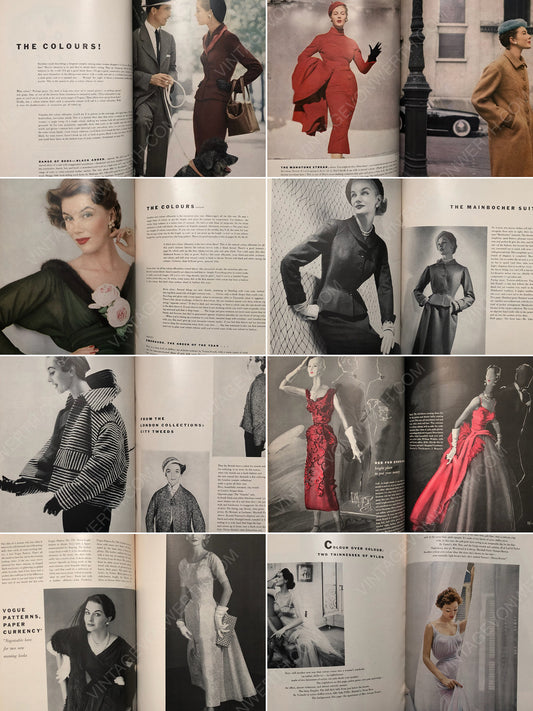
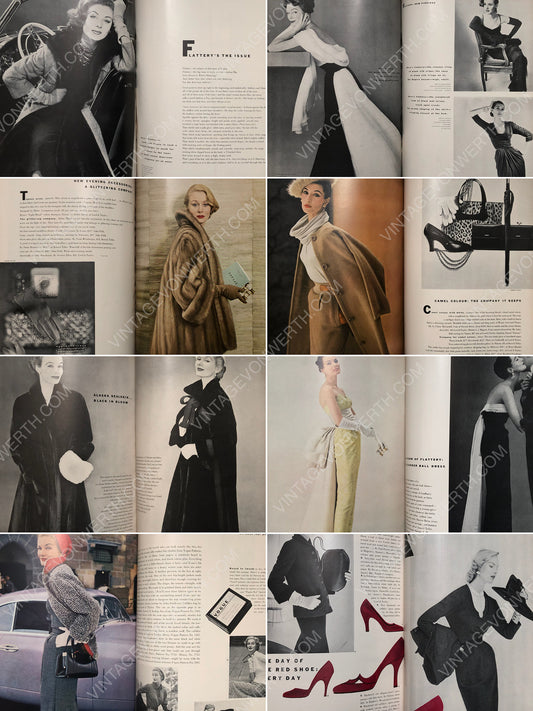
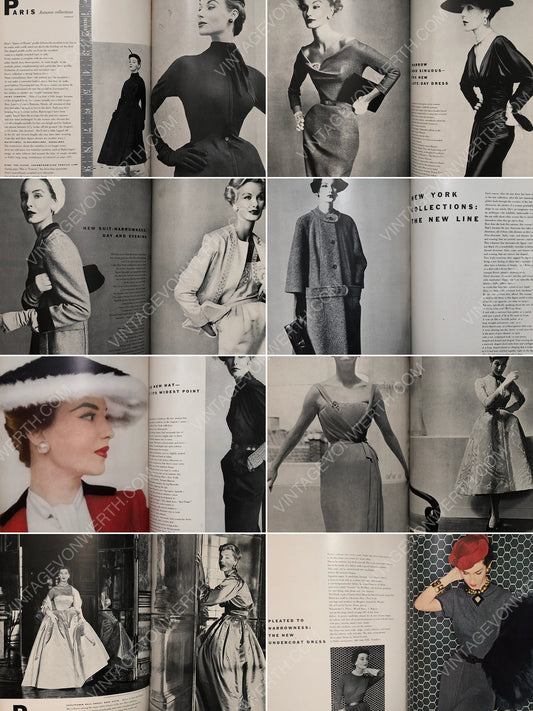
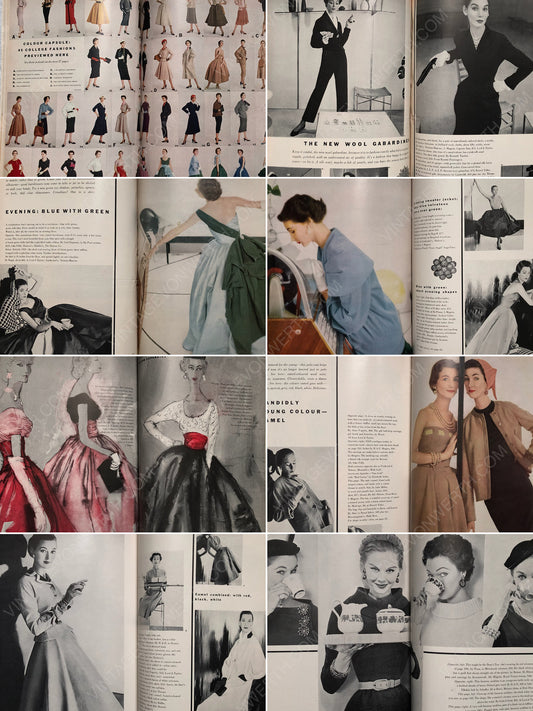
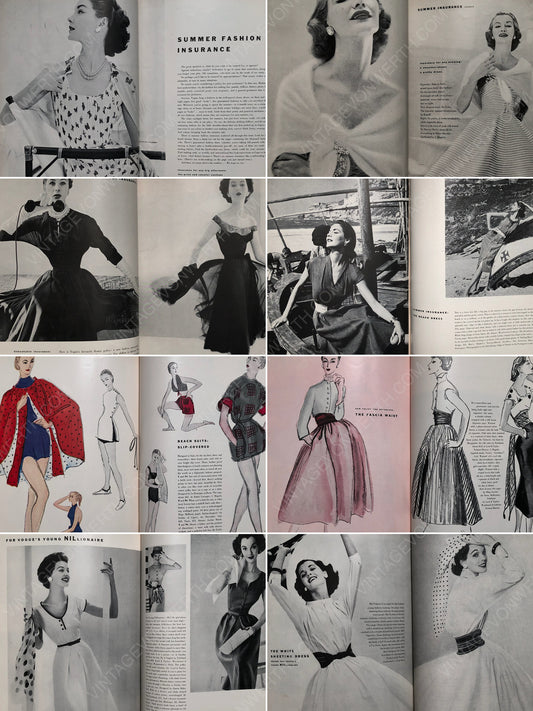
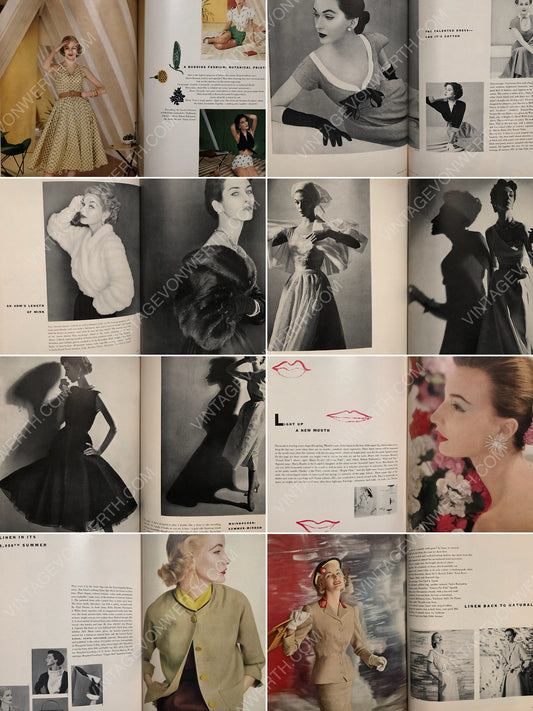
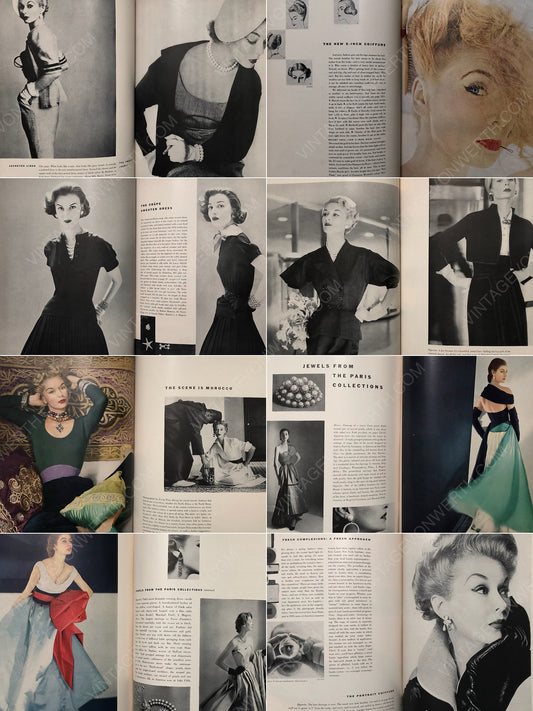
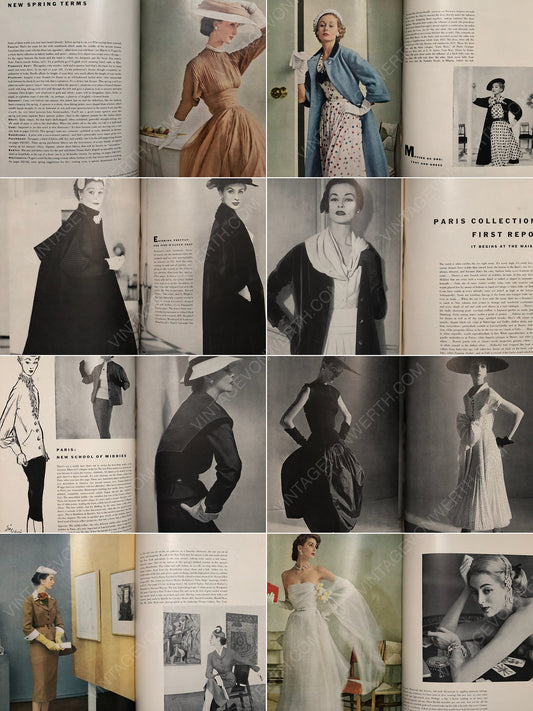
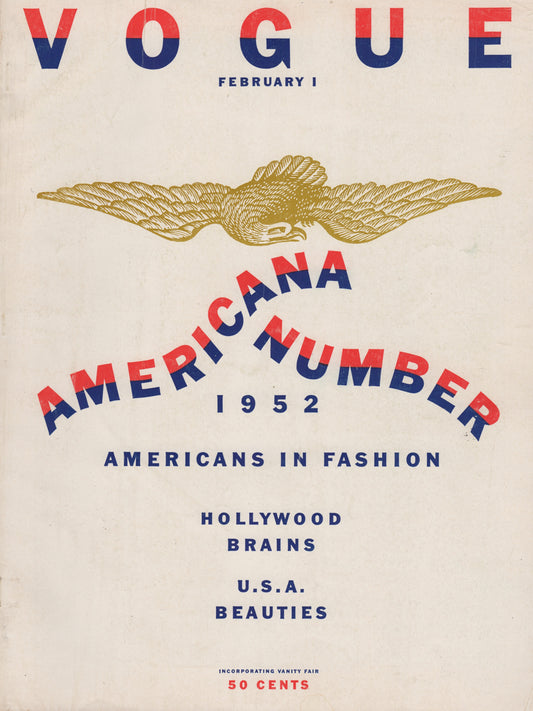
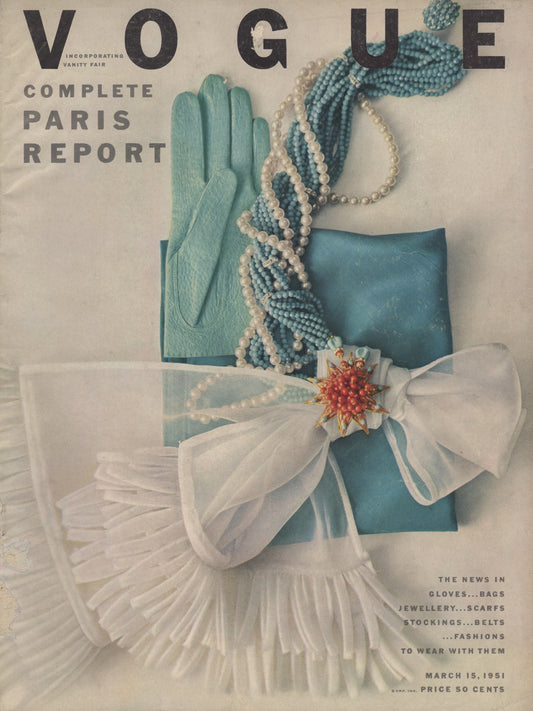
Bound Vintage Fashion Magazine Issues - VOGUE US 1953 & 1954
Regular price 395 €Regular price -
-
-
SOLD
-
SOLD
-
-
-
-
-
-

 SOLDSOLD
 -
-
-
-
-
-
-
-
SOLD
-
SOLD
-
SOLD
-
SOLD
-
SOLD
-
SOLD
-
SOLD
-
SOLD
-
SOLD
-
SOLD
-
SOLD
-
SOLD
-
SOLD
-
SOLD
-
SOLD
-
SOLD
-
SOLD
-
SOLD
-
SOLD
-
SOLD
-
SOLD
-
SOLD
-
SOLD
-
SOLD
-
SOLD
-
SOLD
-
SOLD
-
SOLD
-
SOLD
-
SOLD
-
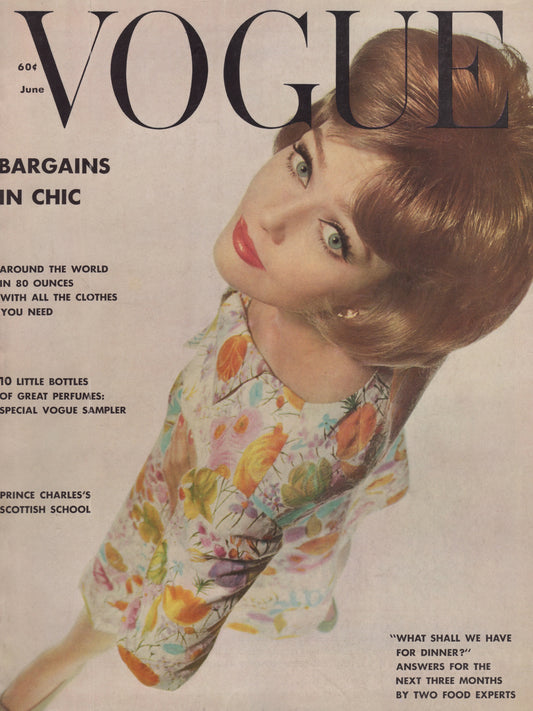 SOLDSOLD
 -
SOLD
-
 SOLDSOLD
 -
SOLD
-
SOLD
-
SOLD
-
SOLD
-

 SOLDSOLD
 -
SOLD
-
SOLD
-
SOLD
-
SOLD
-
SOLD
-
SOLD
-
SOLD
-
SOLD
-
SOLD
-
SOLD
-
SOLD
-
SOLD
-
SOLD
-
SOLD
-
SOLD
-
SOLD
-
SOLD
-
SOLD
-
SOLD
-

 SOLDSOLD
 -
 SOLDSOLD
 -
 SOLDSOLD
 -
SOLD
-
SOLD
-
SOLD
-
SOLD
-
 SOLDSOLD
 -
 SOLDSOLD
 -
 SOLDSOLD
 -
SOLD
-
SOLD
-
SOLD
-
SOLD
-
SOLD
-
SOLD
-
SOLD
-
SOLD
-
SOLD
-
 SOLDSOLD
 -
SOLD