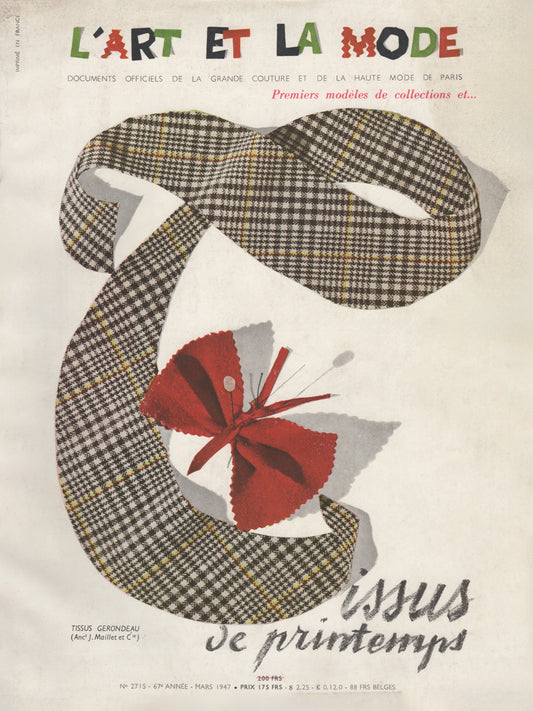
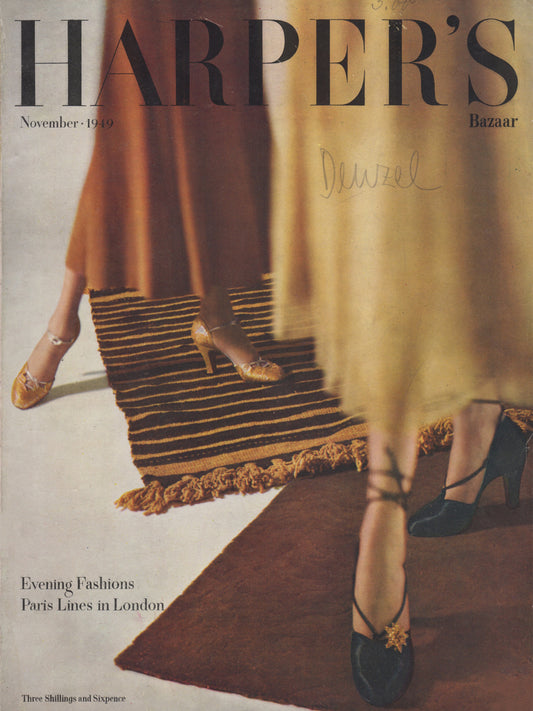
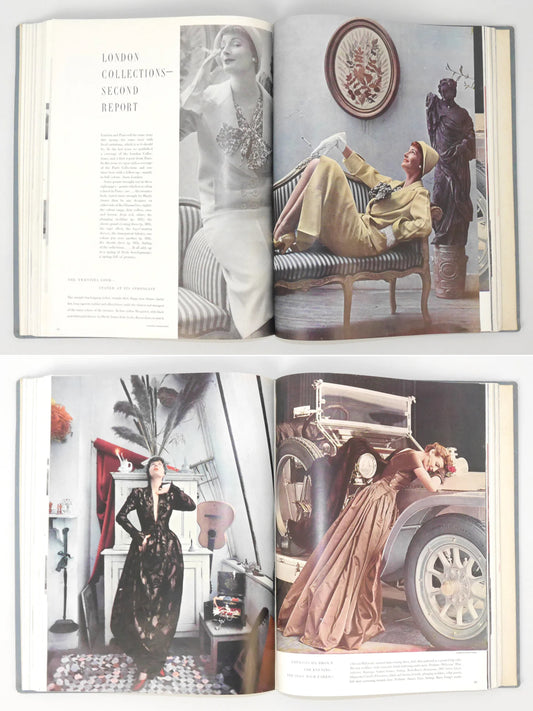
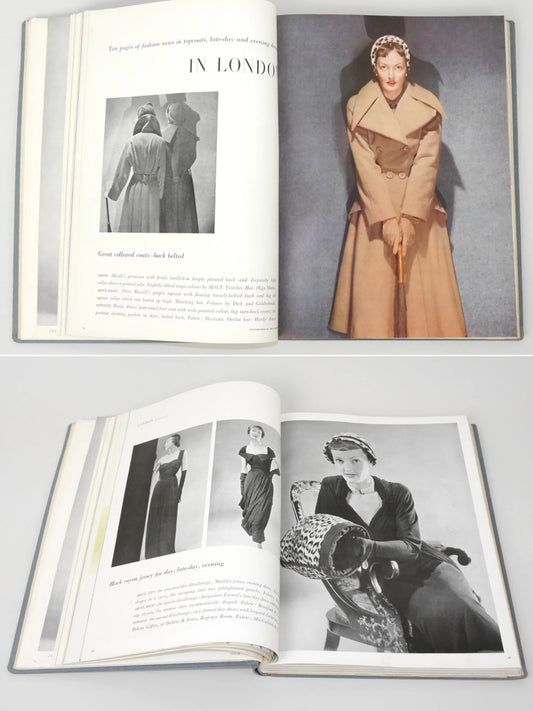
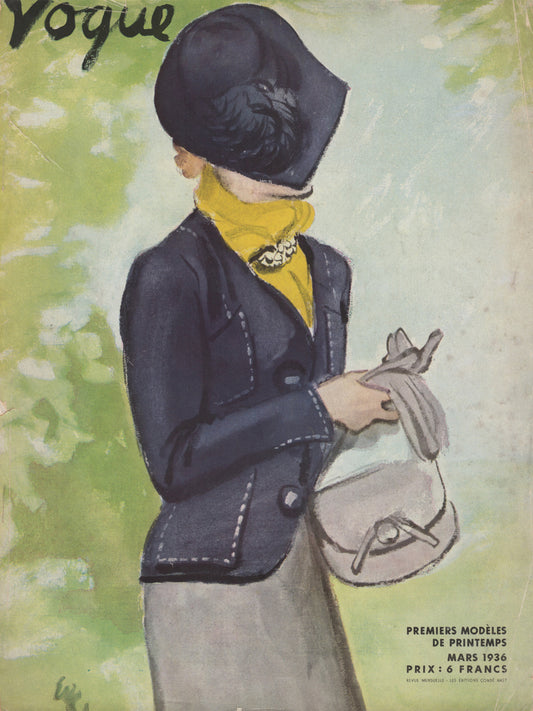
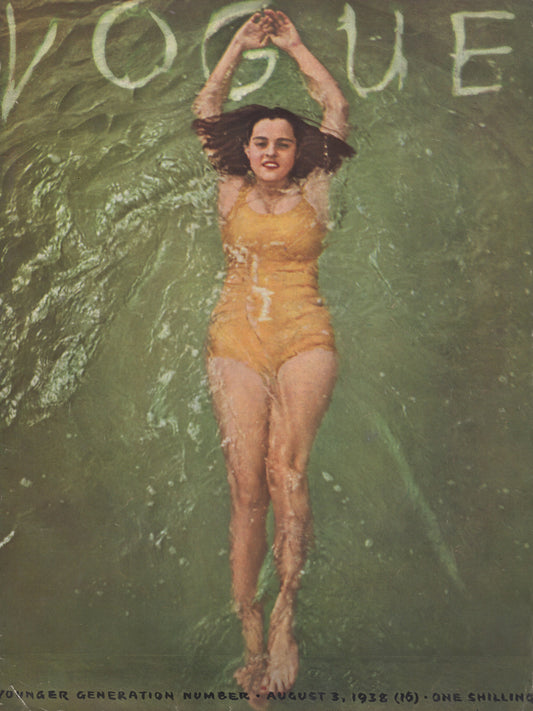
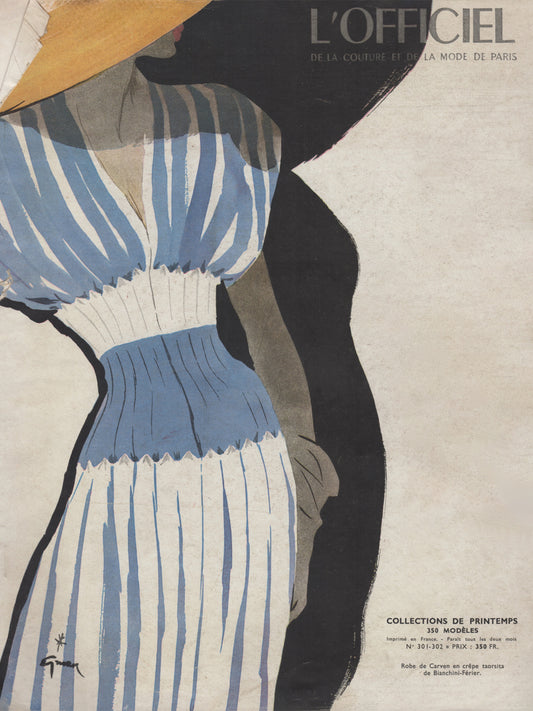
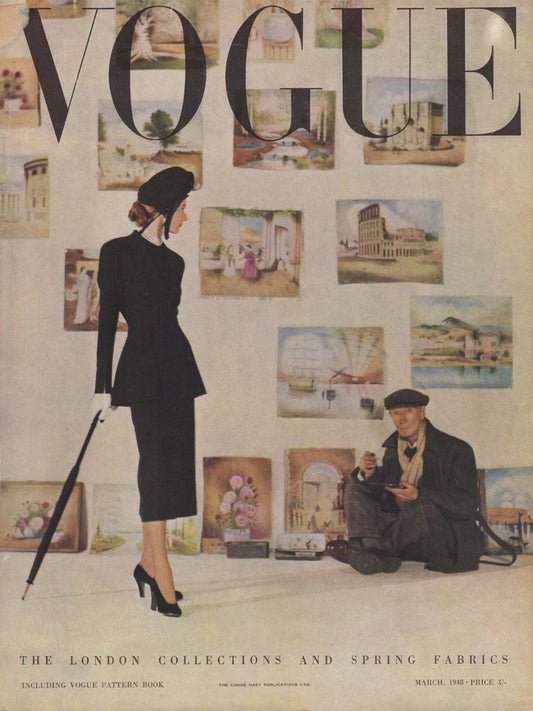
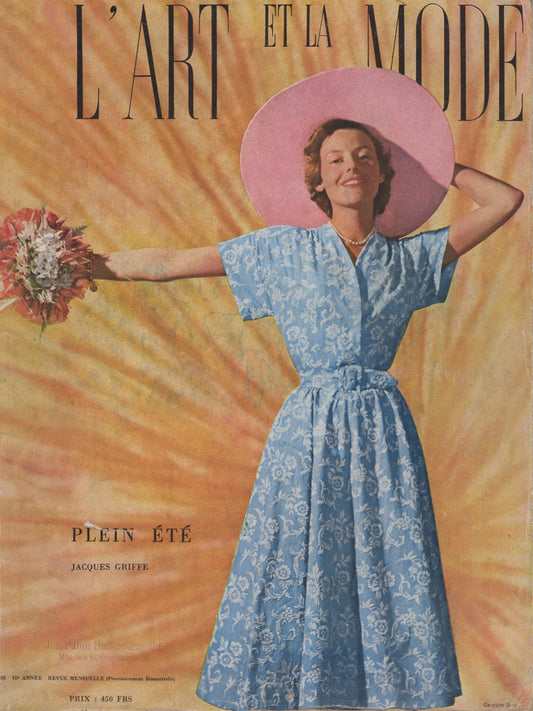
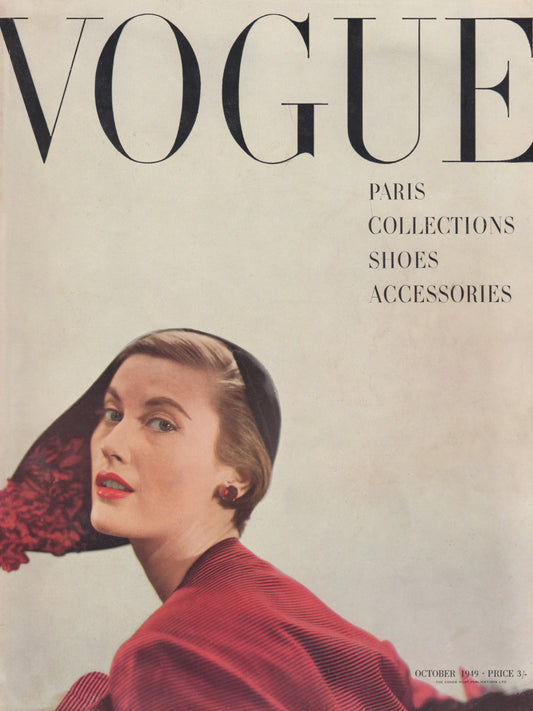
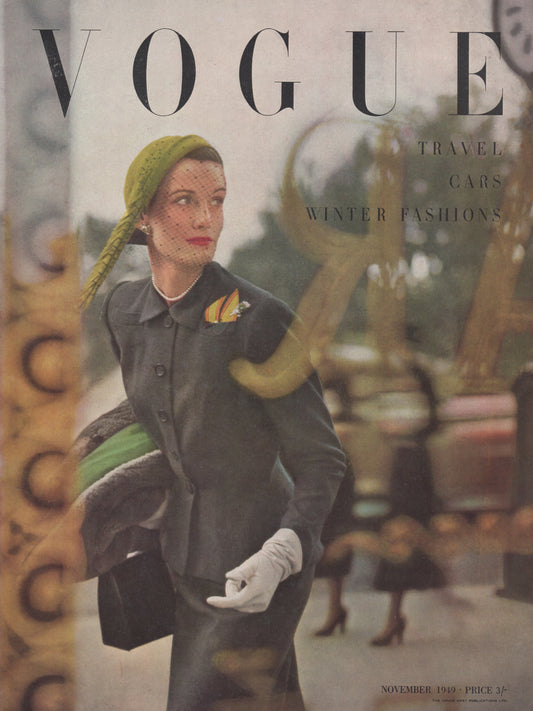
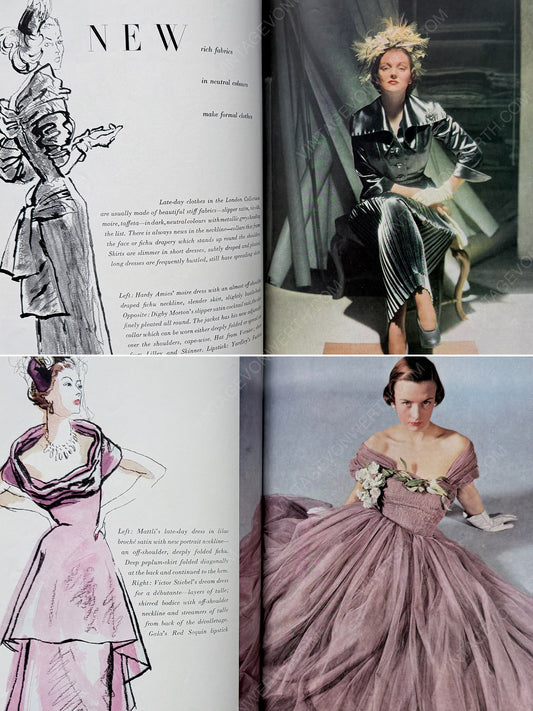
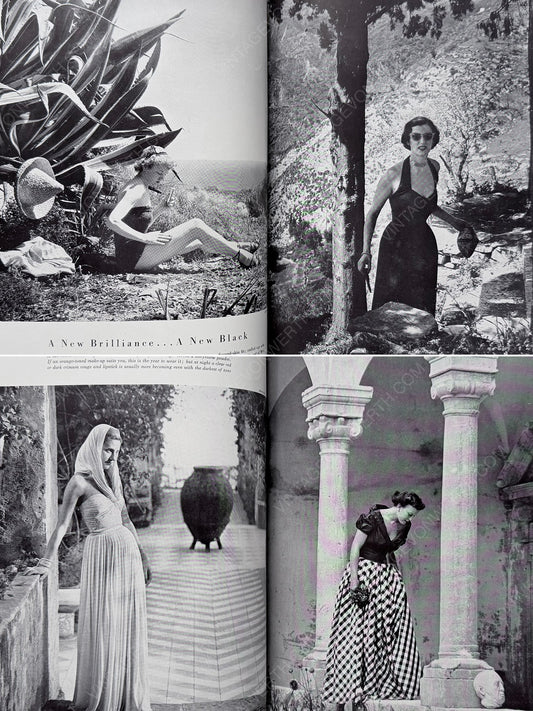
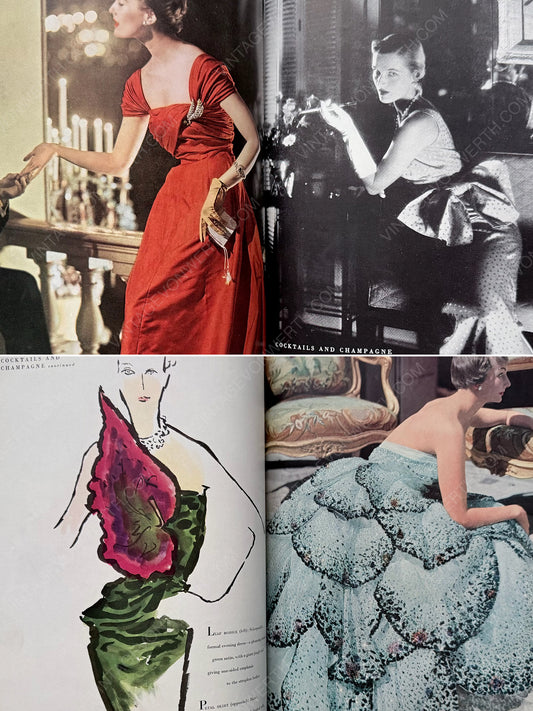
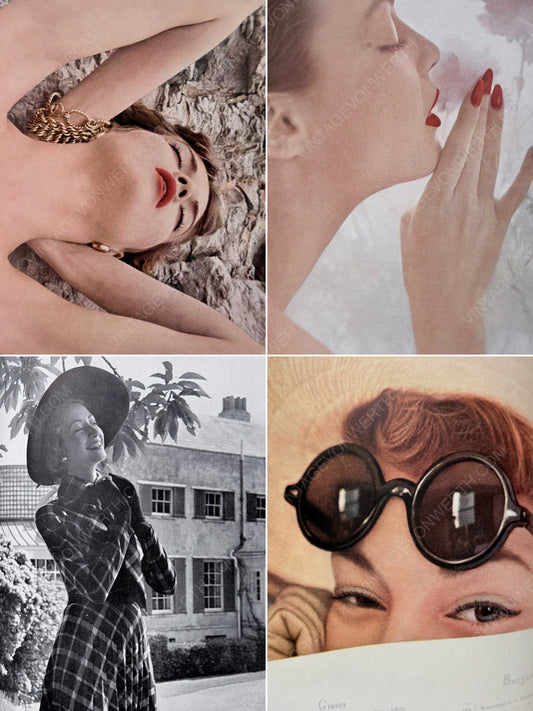
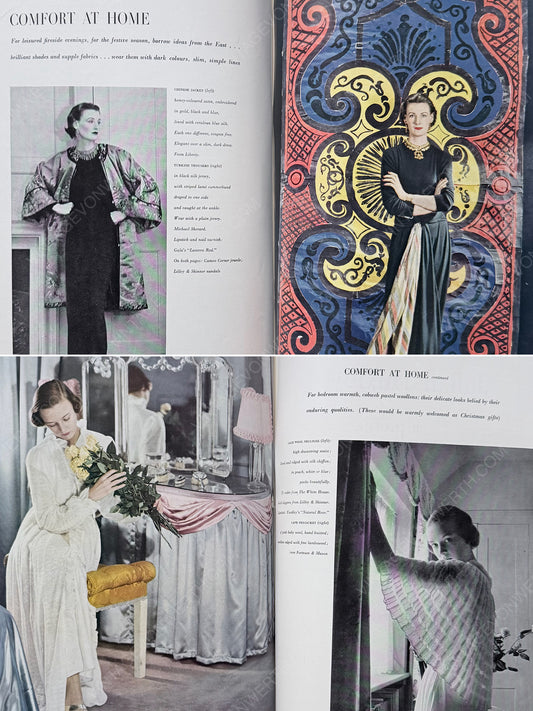
During the 1920s, 1930s, and 1940s, the international fashion magazine industry underwent profound evolution, mirroring the cultural, social, and economic shifts of these transformative decades. In the 1920s, the vibrancy of the "Roaring Twenties" sparked a revolution in fashion and lifestyle, which was vividly captured by leading publications like Vogue and Harper's Bazaar in the United States, alongside L’Officiel de la Mode and Vogue in France. These magazines embraced the spirit of modernism and the changing role of women, showcasing trends that celebrated liberation, freedom, and innovation. Their pages reflected the dynamic energy of the era, blending cutting-edge visuals with articles that resonated with the newfound sense of possibility and sophistication. The 1930s brought the sobering reality of the Great Depression, posing challenges for the fashion industry. However, fashion magazines adapted by offering readers an escape into a world of luxury and glamour. Despite economic hardships, publications like Vogue and Harper's Bazaar innovated with artistic and cinematic editorial styles, collaborating with renowned photographers, illustrators, and writers to present an aspirational vision of fashion. By the 1940s, the upheaval of World War II profoundly impacted the industry. Magazines grappled with paper shortages, disruptions in international communication, and a focus on wartime practicality. Yet, even amidst these challenges, publications like Vogue and Harper's Bazaar remained resilient, promoting utility-focused fashion and morale-boosting features aimed at women on the home front. In Europe, many magazines had to pause operations temporarily, but their influence endured. Despite these turbulent decades, fashion magazines remained a vital source of inspiration, continuity, and aspiration. They not only documented the spirit of their times but also laid the foundation for the global fashion publishing landscape we know today.