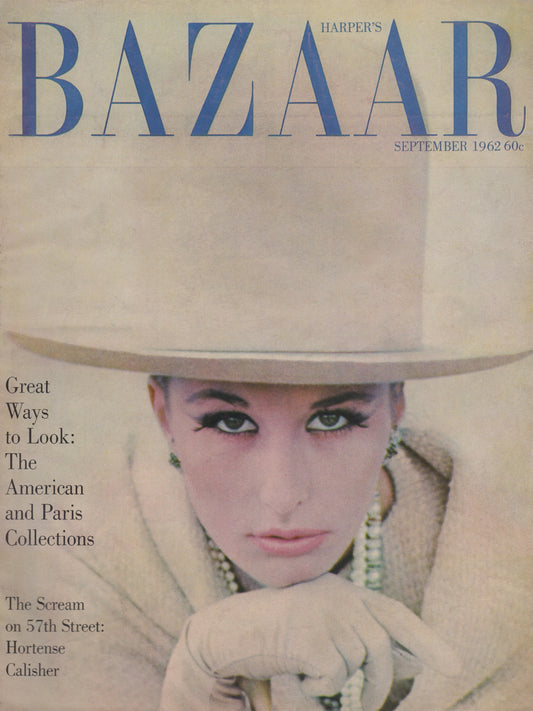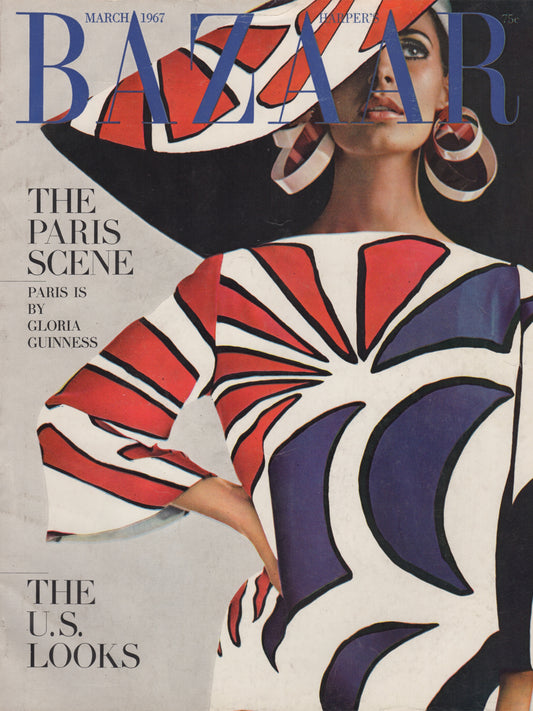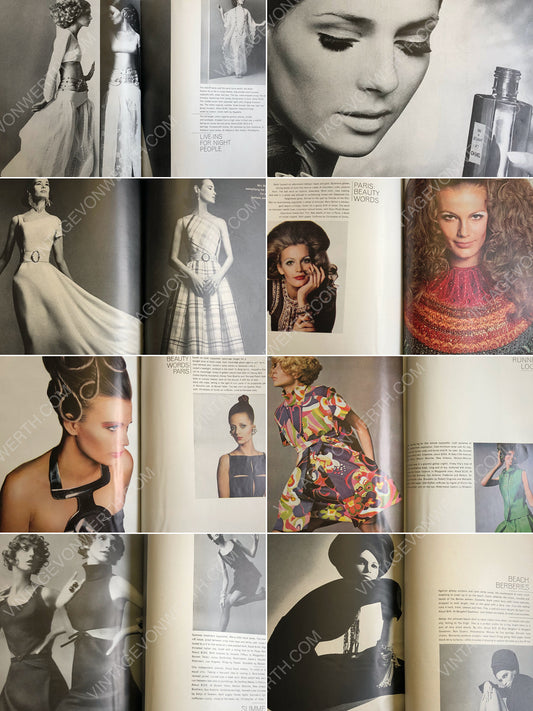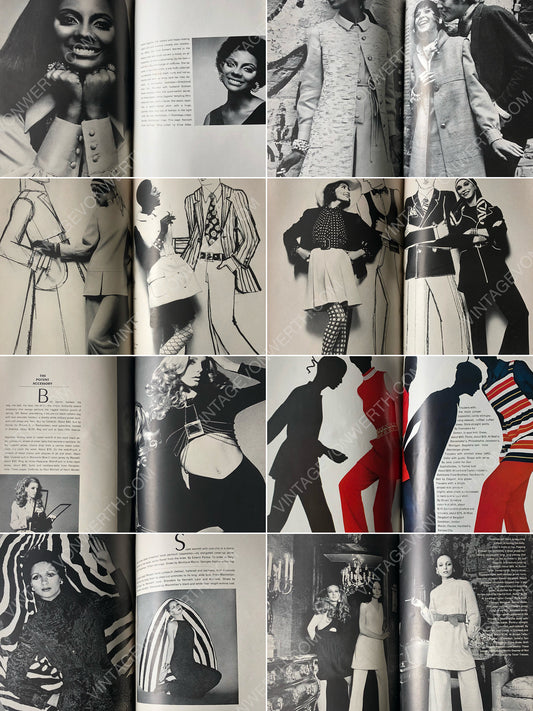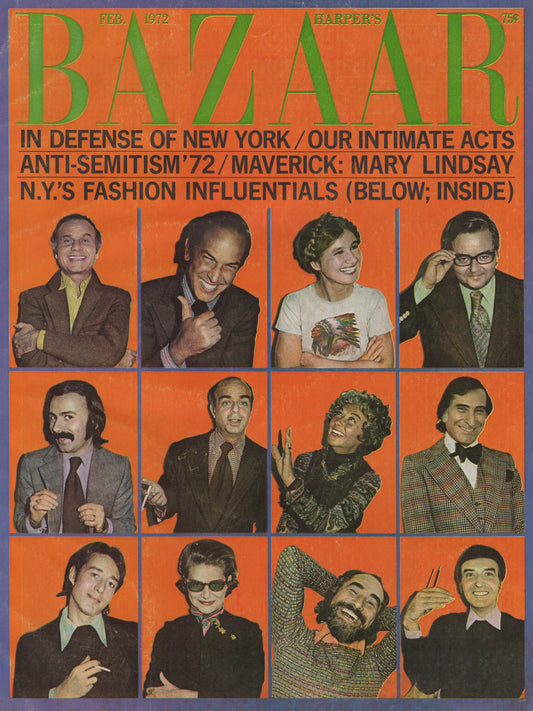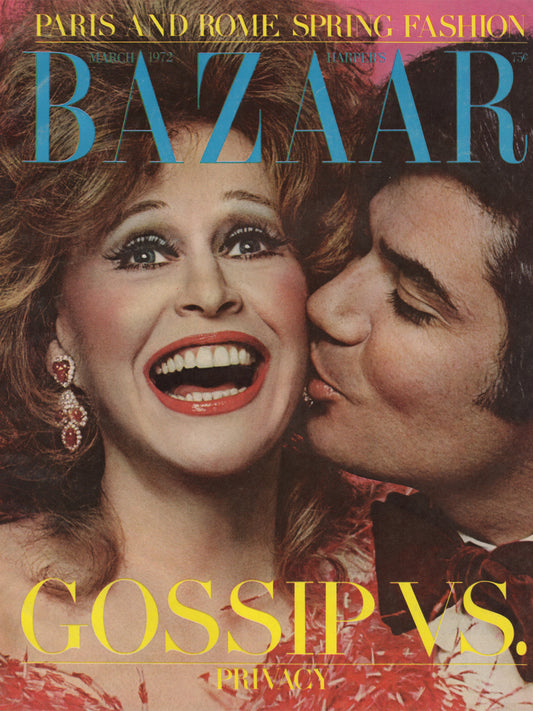

HARPER'S BAZAAR US
-
SOLD
-
Vendor:Harper's Bazaar US
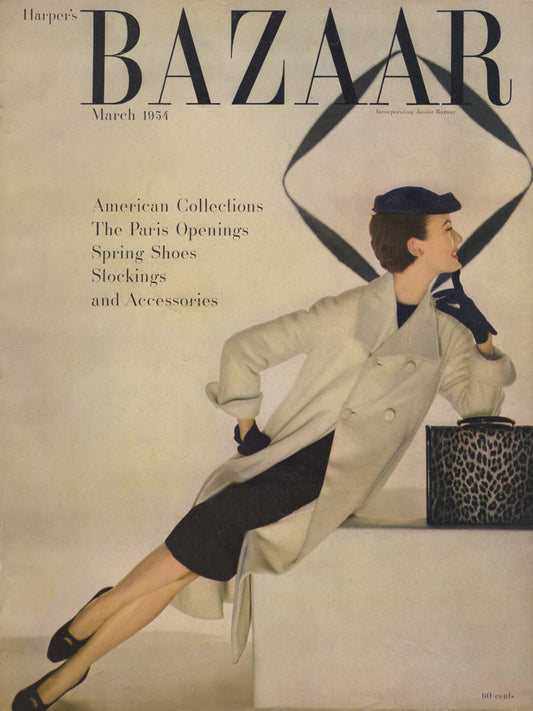
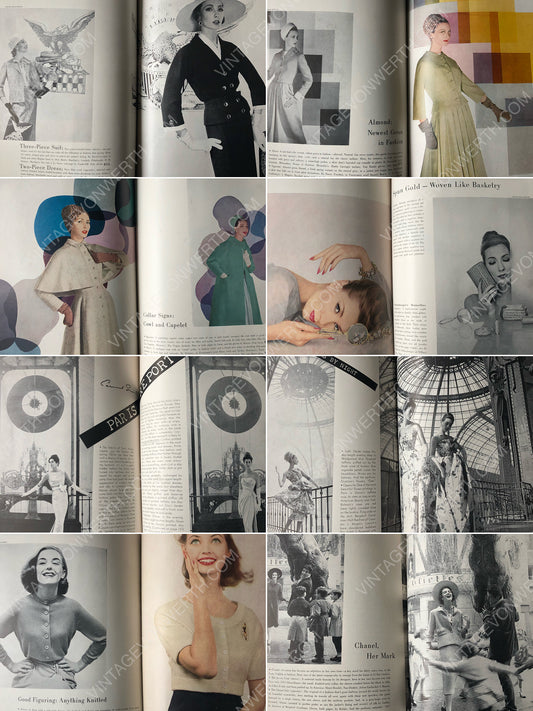
HARPER'S BAZAAR US March 1954
Regular price 250 €Regular price -
SOLD
-
SOLD
-
Vendor:Harper's Bazaar US
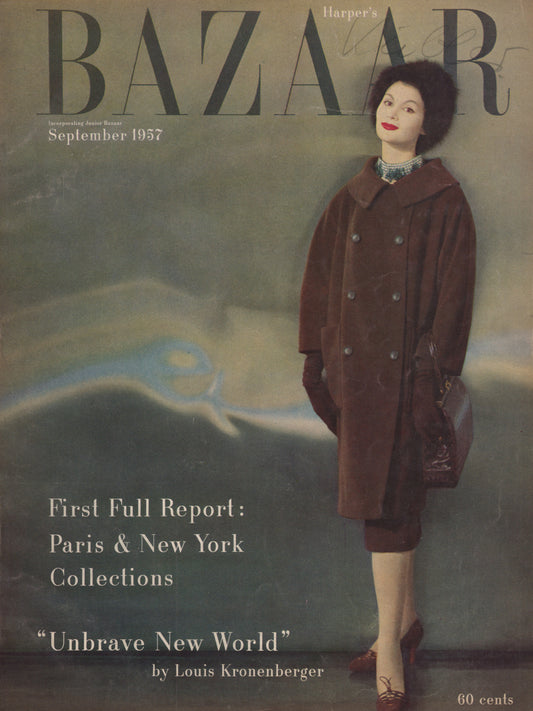
HARPER'S BAZAAR US September 1957
Regular price 250 €Regular price -
Vendor:Misc Magazines
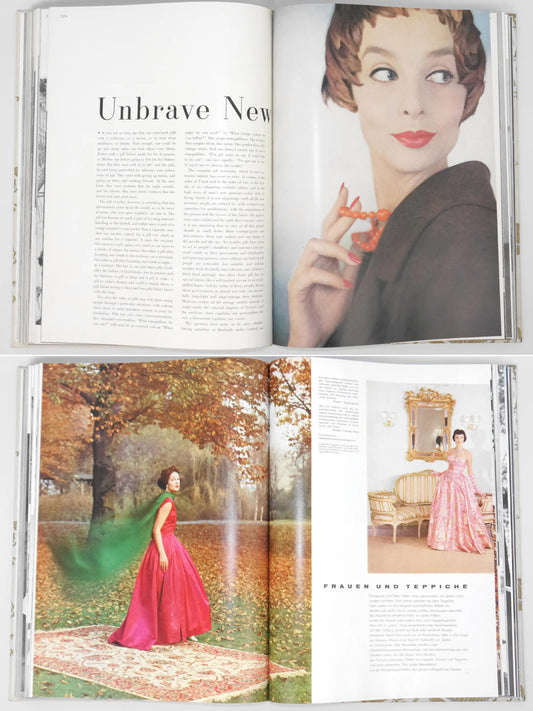
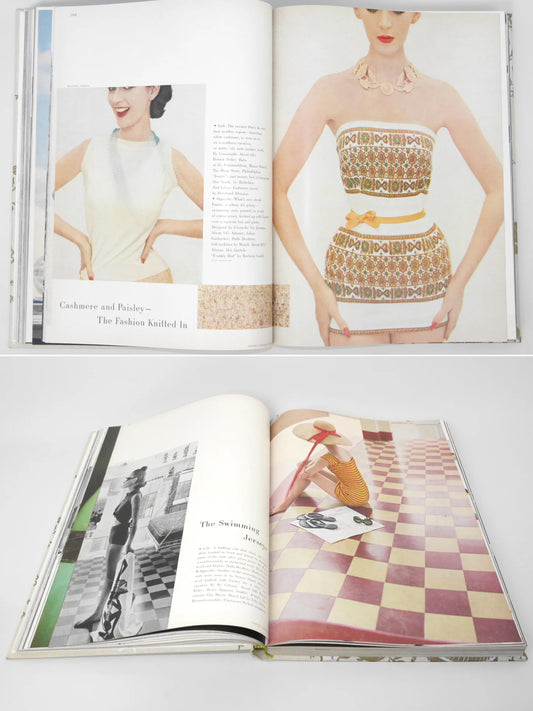
Bound Vintage Fashion Magazine Issues - ELEGANTE WELT, MADAME, CHIC, HARPER'S BAZAAR US 1957 1958
Regular price 650 €Regular price -
SOLD
-
Vendor:Harper's Bazaar US
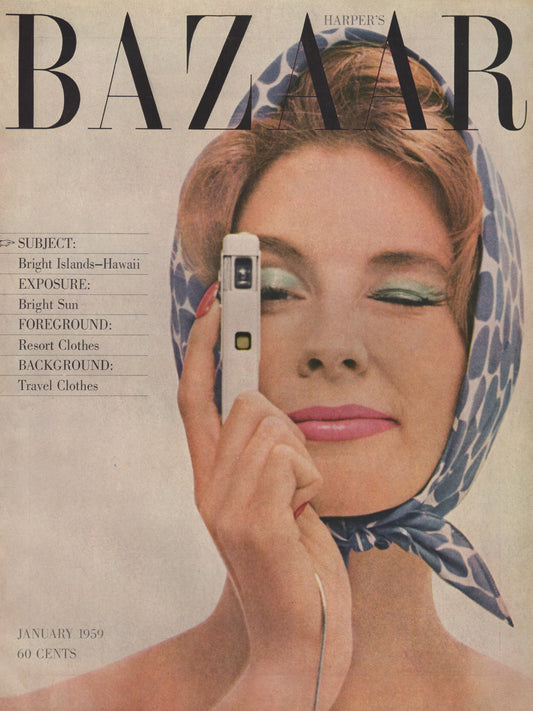
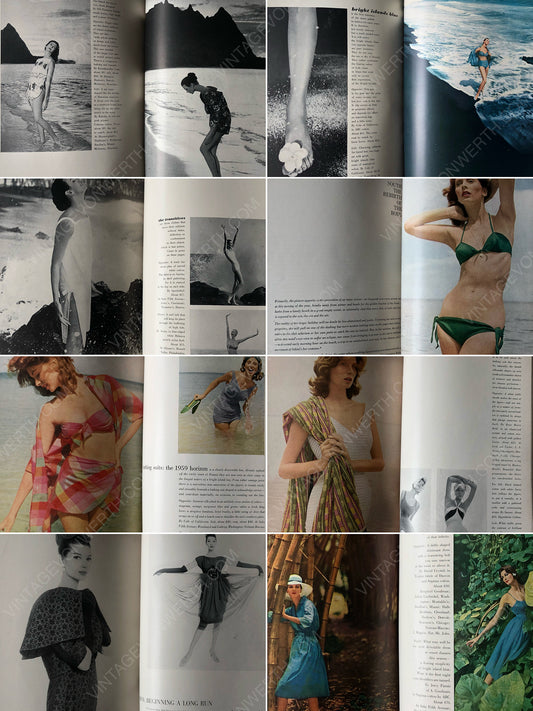
HARPER'S BAZAAR US January 1959
Regular price 250 €Regular price -
Vendor:Harper's Bazaar US
HARPER'S BAZAAR US May 1959
Regular price 325 €Regular price -
SOLD
-
SOLD
-
SOLD
-
SOLD
-
SOLD
-
SOLD
-
Vendor:Harper's Bazaar US
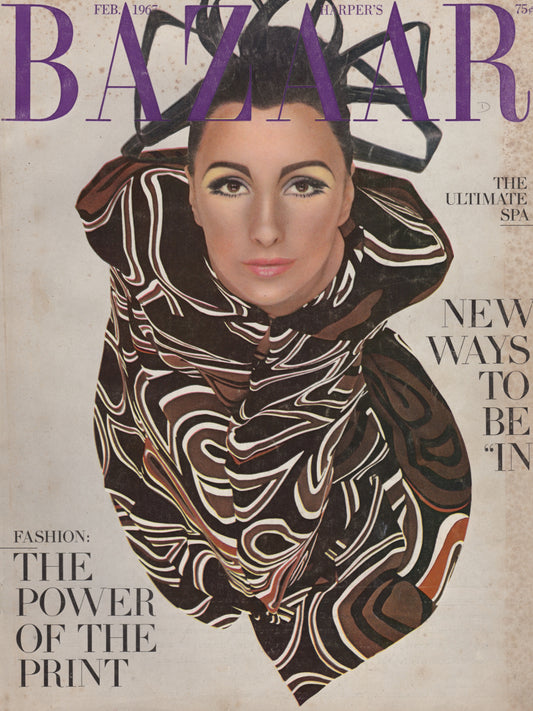
HARPER'S BAZAAR US February 1967
Regular price 180 €Regular price -
SOLD
-
Vendor:Harper's Bazaar US
HARPER'S BAZAAR US January 1969
Regular price 160 €Regular price -
Vendor:Harper's Bazaar US
HARPER'S BAZAAR US March 1970
Regular price 180 €Regular price -
Vendor:Harper's Bazaar US
HARPER'S BAZAAR US April 1970
Regular price 180 €Regular price -
Vendor:Harper's Bazaar US
HARPER'S BAZAAR US June 1970
Regular price 160 €Regular price -
SOLD
-
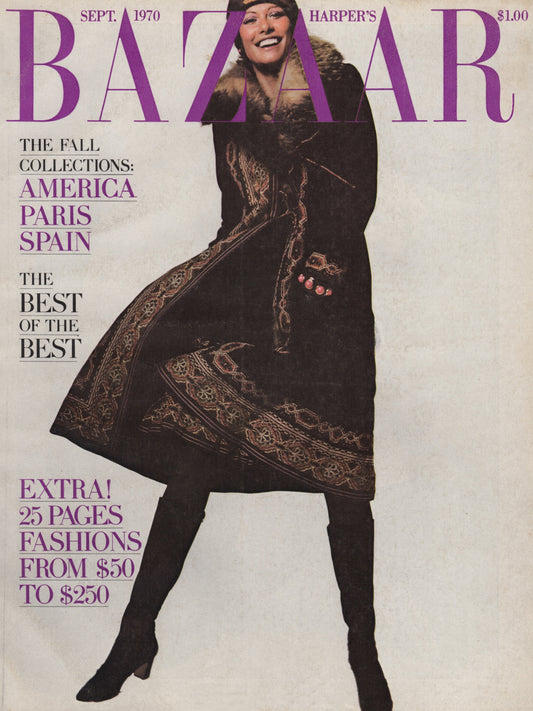
Vendor:Harper's Bazaar US
HARPER'S BAZAAR US September 1970
Regular price 200 €Regular price -
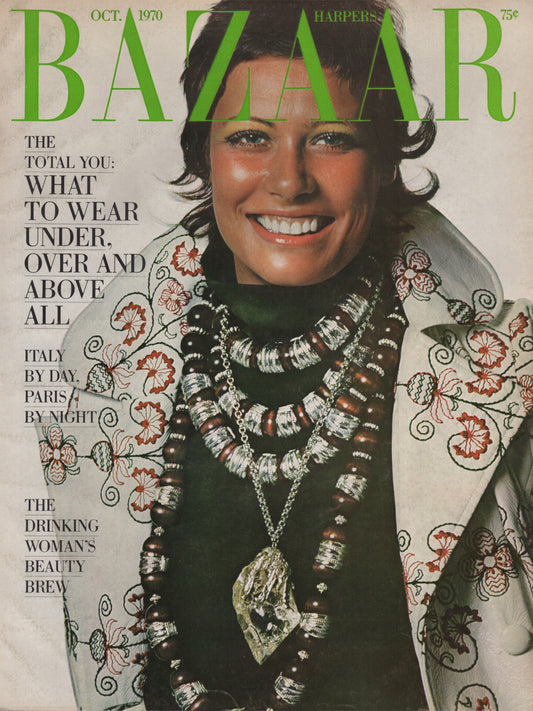
Vendor:Harper's Bazaar US
HARPER'S BAZAAR US October 1970
Regular price 200 €Regular price -
Vendor:Harper's Bazaar US
HARPER'S BAZAAR US March 1971
Regular price 120 €Regular price -
SOLD
-
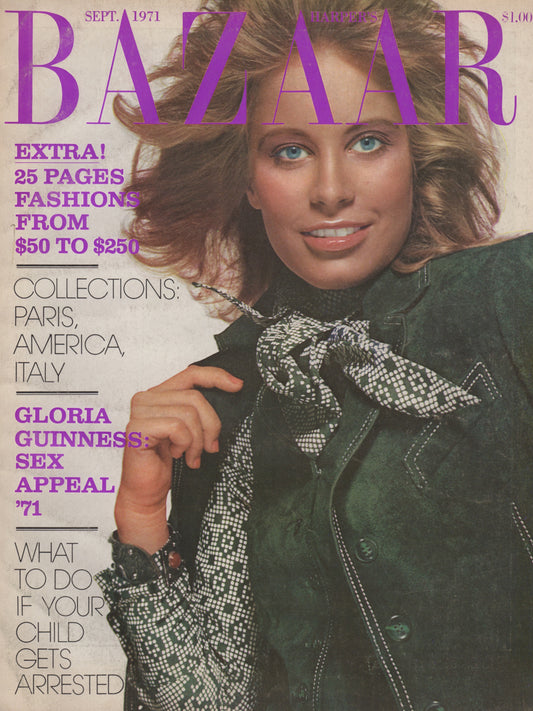
Vendor:Harper's Bazaar US
HARPER'S BAZAAR US September 1971
Regular price 120 €Regular price -
Vendor:Harper's Bazaar US
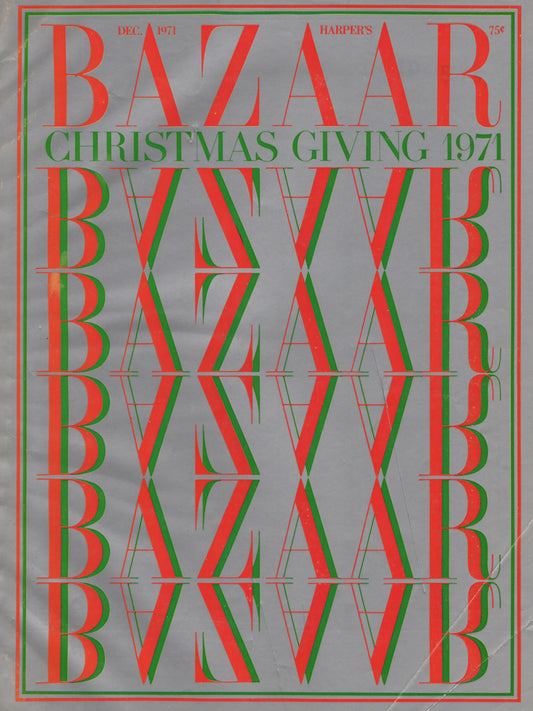
HARPER'S BAZAAR US December 1971
Regular price 210 €Regular price -
Vendor:Harper's Bazaar US
HARPER'S BAZAAR US November 1992
Regular price 175 €Regular price -
Vendor:Harper's Bazaar US
HARPER'S BAZAAR US July 1993
Regular price 180 €Regular price -
Vendor:Harper's Bazaar US
HARPER'S BAZAAR US August 1993
Regular price 175 €Regular price -
SOLD
-
Vendor:Harper's Bazaar US
HARPER'S BAZAAR US March 1994
Regular price 195 €Regular price -
Vendor:Harper's Bazaar US
HARPER'S BAZAAR US April 1994
Regular price 175 €Regular price -
Vendor:Harper's Bazaar US
HARPER'S BAZAAR US July 1994
Regular price 175 €Regular price -
Vendor:Harper's Bazaar US
HARPER'S BAZAAR US September 1994
Regular price 225 €Regular price -
Vendor:Harper's Bazaar US
HARPER'S BAZAAR US October 1994
Regular price 175 €Regular price -
Vendor:Harper's Bazaar US
HARPER'S BAZAAR US November 1994
Regular price 175 €Regular price -
Vendor:Harper's Bazaar US
HARPER'S BAZAAR US December 1994
Regular price 175 €Regular price -
Vendor:Harper's Bazaar US
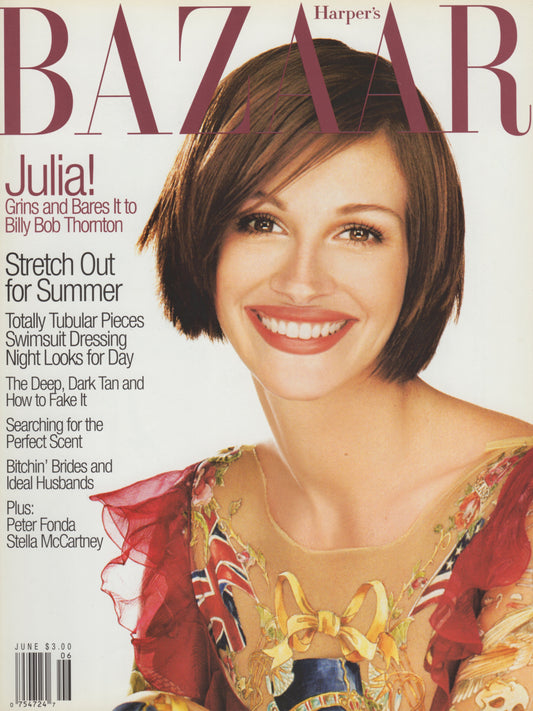
HARPER'S BAZAAR US June 1997
Regular price 150 €Regular price -
Vendor:Harper's Bazaar US
HARPER'S BAZAAR US September 1997
Regular price 150 €Regular price -
Vendor:Harper's Bazaar US
HARPER'S BAZAAR US September 1998
Regular price 150 €Regular price -
Vendor:Harper's Bazaar US
HARPER'S BAZAAR US March 1999
Regular price 150 €Regular price -
SOLD
-
SOLD
-
SOLD
-
SOLD
-
SOLD
-
SOLD
-
SOLD
-
SOLD
-
SOLD
-
SOLD
-
SOLD
-
SOLD
-
SOLD
-
SOLD
-
SOLD
-
SOLD
-
SOLD
-
SOLD
-
SOLD
-
SOLD
-
SOLD
-
SOLD
-
SOLD
-
SOLD
-
SOLD
-
SOLD
-
SOLD
-
SOLD
-
SOLD
-
SOLD
-
SOLD
-
SOLD
-
SOLD
-
SOLD
-
SOLD
-
SOLD
-
SOLD
-
SOLD
-
SOLD
-
SOLD
-
SOLD
-
SOLD