CHRISTIAN DIOR
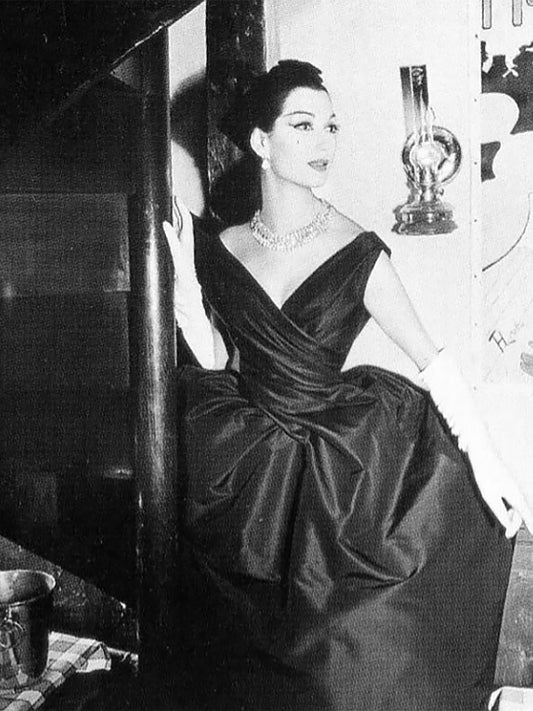
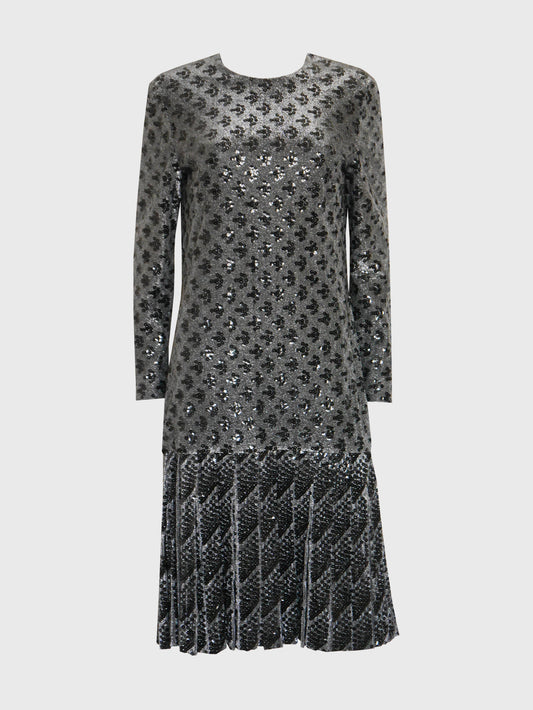
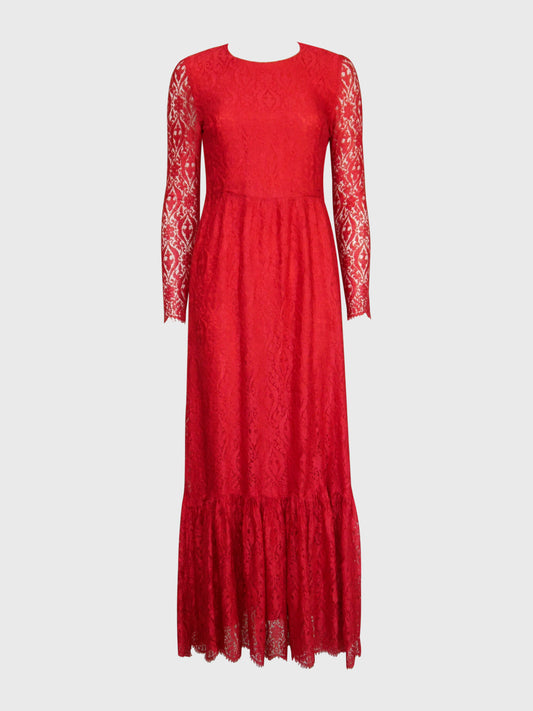
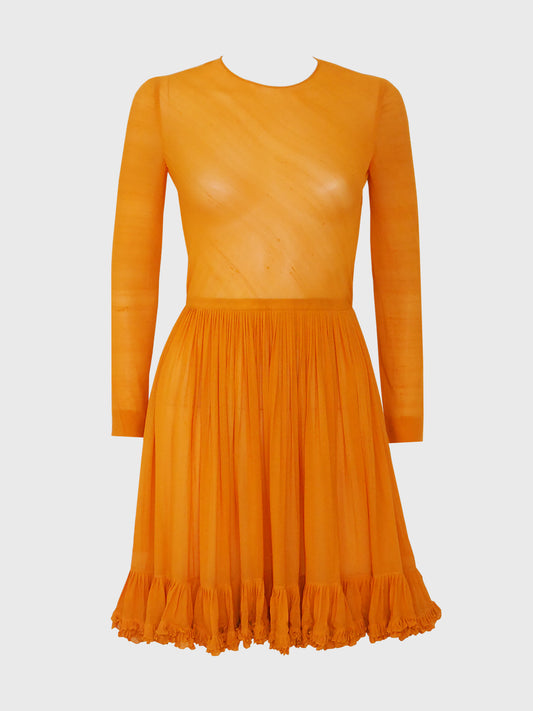
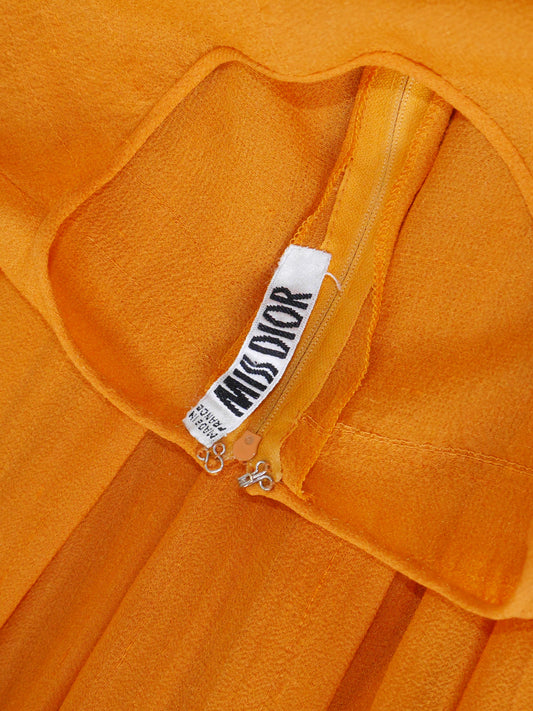
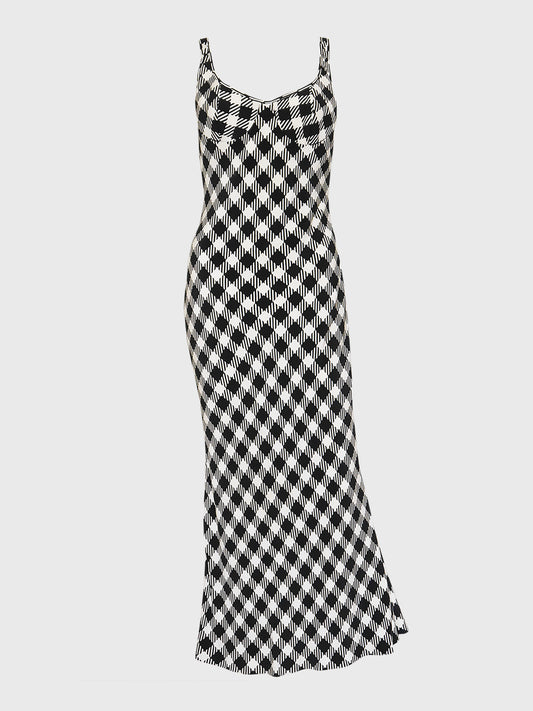
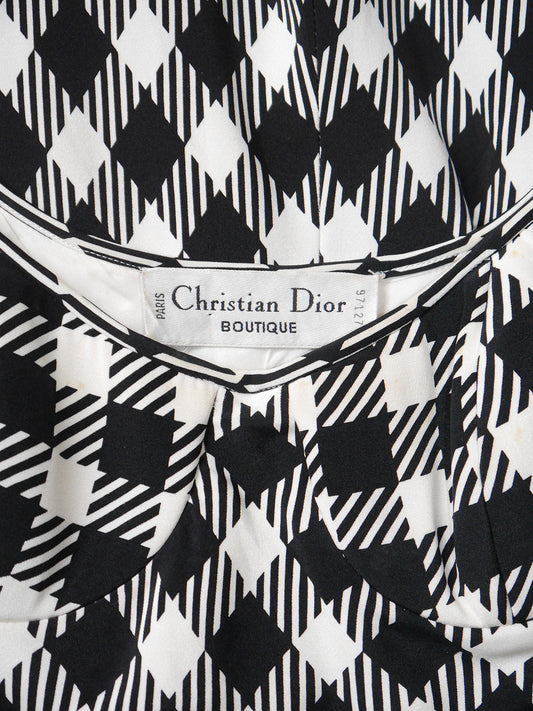
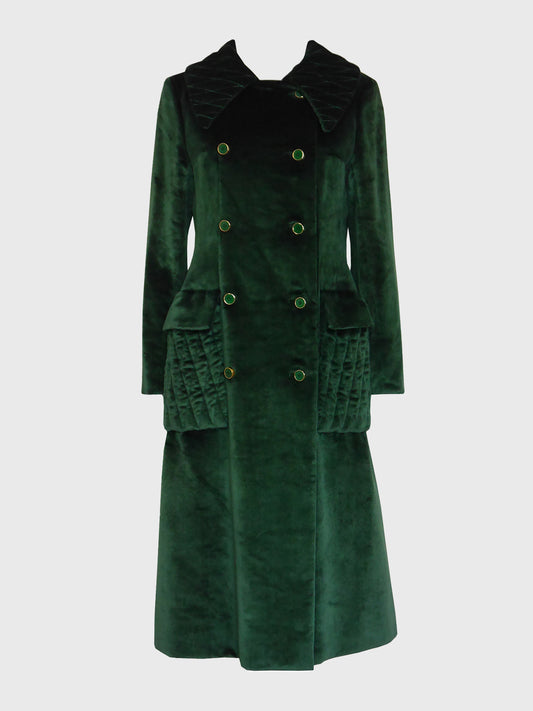
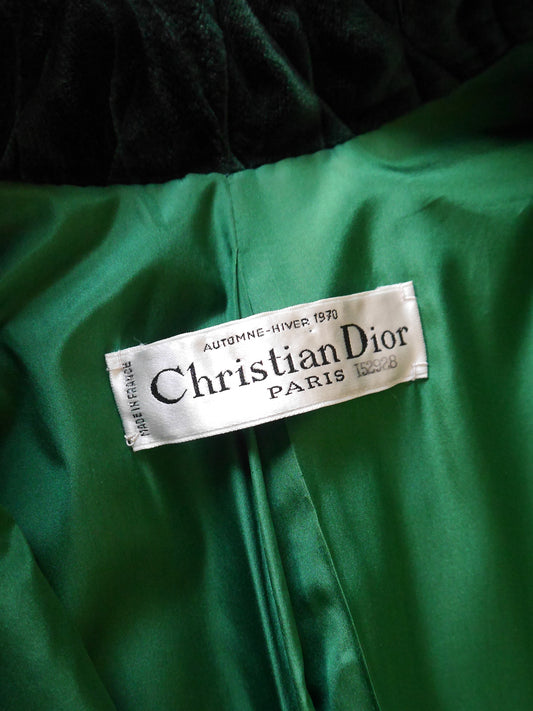
Christian Dior introduced his revolutionary New Look in 1947, transforming womenswear after the austerity of the Second World War. Defined by narrow waists and voluminous skirts, his designs brought a renewed sense of opulence and femininity to women’s fashion and established Dior as a symbol of sophisticated elegance. Following Dior’s untimely death in 1957, 21-year-old Yves Saint Laurent succeeded him as head designer. Although his tenure was brief, Saint Laurent introduced a more modern and daring approach. In 1960, he was succeeded by Marc Bohan, who went on to lead the house for nearly three decades. Bohan brought a sense of refined simplicity to Dior, favouring clean lines, classic silhouettes, and understated elegance. In 1989, Gianfranco Ferré was appointed creative director of Dior. His collections introduced architectural elements and a more structured, sculptural approach to the house’s codes, expressing a distinctly powerful vision of femininity. The younger ready-to-wear line Miss Dior, launched in 1967, was designed by Philippe Guibourgé.